Press, Speak, Release: The VHF Habits That Mark Out a Considerate Sailor
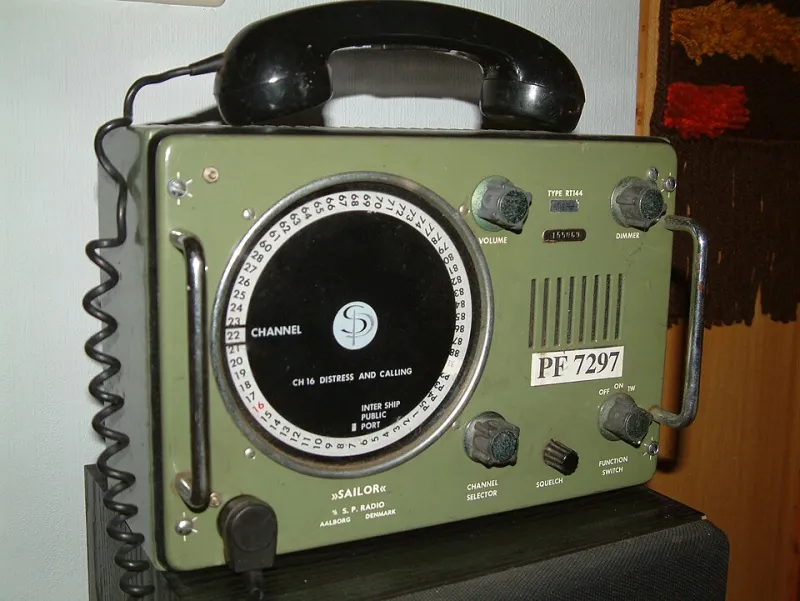
Photo: S.J. de Waard, CC BY 3.0, via Wikimedia Commons
There are few pieces of kit on a small boat that inspire quite as much quiet panic as the VHF handset. New sailors will happily wrestle a flogging jib or stand a night watch, then freeze at the prospect of pressing the transmit button in case they say the wrong thing. The good news is that most VHF etiquette is not obscure ritual. It is seamanship with a microphone in your hand.
The radio is a shared workspace. Channel 16 is the listening room where the coastguard, lifeboats and other vessels keep an ear open. If it is full of radio checks, banter and half-finished calls, the important traffic has to fight through the clutter. Keeping it tidy is not about being posh on the air. It is about leaving room for the person who, in five minutes, may need to say something urgent.
The radio check that isn’t an emergency
A radio check is a sensible thing to do when you have just fitted a set, reconnected the masthead aerial after the winter, or had a long lay-up. It is not a sensible thing to do every time you leave the pontoon. If the set worked last weekend and nothing has been swinging from the rigging since, it probably still works.
What you should not do is call the coastguard on Channel 16 for a casual radio check. In the UK, the coastguard monitors 16 for distress, urgency and safety traffic. A routine ‘can you hear me?’ ties up the airwaves and nudges everyone else’s emergency channel into the realms of a helpdesk queue. If you need a check, try a marina or harbour authority on their advertised working channel, or another vessel on a channel you have agreed between you. Keep it short and specific: vessel name, request for radio check, and the channel you are on.
If nobody answers, do not keep pressing the button and repeating yourself like a lost delivery driver. Check the aerial, the power and the squelch. Try again later, or use a phone. A silent radio is not automatically a broken radio; sometimes the other end is simply busy.
Mayday, pan-pan and securite: three words that are not interchangeable
These are the words that make people nervous, so it is worth knowing them before you need them. Mayday is for grave and imminent danger: a vessel in serious trouble, a person in the water, a fire that is getting away from you, a collision risk that has become a collision. It is the highest priority call and it should never be used for a breakdown that is merely inconvenient.
Pan-pan is for urgency, where there is a problem but no immediate grave danger to life. You might have lost power and be drifting in a busy channel, or have a medical issue that needs advice rather than a helicopter. Securite is a safety signal: a navigation warning, a hazard to shipping, a weather warning, a broken-down vessel that is not yet an emergency but is worth knowing about.
If you ever have to make a distress call, the structure is simpler than it feels. Say ‘Mayday’ three times, give the vessel name and callsign, your position, the nature of the problem and what assistance you need. Speak slowly. Keep the microphone close but not pressed against your teeth. If you have DSC, press the distress button first if the situation warrants it, then make the voice call on Channel 16. Do not test the distress button for fun. It is not a doorbell.
Channel 16 is a doorway, not a departure lounge
The classic beginner mistake is to conduct the whole conversation on 16. A call should be a doorway: you hail on 16, state who you are and who you want, then move to a working channel to have the actual chat. The coastguard will usually direct you to a working channel such as 67. A marina will often have its own channel, commonly 80 in the UK. Once you are there, the rest of the fleet gets its listening channel back.
Standard phrases exist because they cut through noise. ‘Over’ means I have finished and I am waiting for a reply. ‘Out’ means the conversation is finished and no reply is expected. ‘Over and out’ is a contradiction, despite what you may have heard in films. You do not need to sound like a naval officer, but a little consistency helps everyone.
And please, no conversations about where to meet for lunch. Channel 16 is not a social network with a waterproof aerial. If you want to chat to a friend on another boat, arrange a working channel and keep it brief. The same goes for colourful language. There are children on board, volunteers listening, and people trying to copy a position in poor weather.
What DSC quietly changed
Digital Selective Calling has made routine calling much quieter, when it is used properly. Instead of hailing on 16 with a long description of your vessel, you can send a DSC call to a specific MMSI, wait for the acknowledgement, then move to a working channel. That is a neat bit of housekeeping. But DSC has also created a few new ways to embarrass yourself.
If your set has DSC, make sure the MMSI is programmed correctly and registered. An unregistered or misconfigured set can send an alert that makes the coastguard think something serious has happened when you were only trying to call a friend. Do not send an all-ships routine call when an individual call would do. And do not press the red distress button to see what happens. If you want to practise, use the simulator mode or read the manual. The real button is for real trouble.
Marina channels, listening and not being the main character
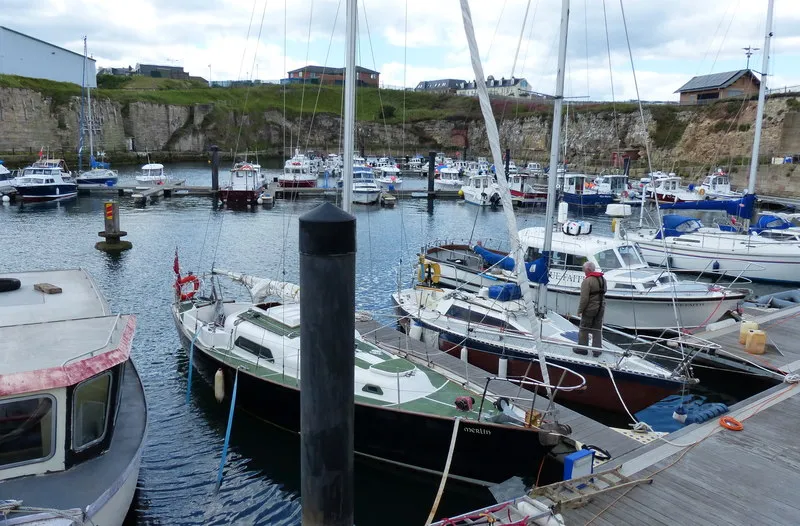
Marinas live on their working channels. Call before you enter, ask for a berth, and have your lines and fenders ready before you start the conversation. A short, clear call is a courtesy to the harbourmaster and to every other boat waiting to come in. If the marina does not answer, do not keep calling every thirty seconds. Try the phone, or proceed cautiously and ask on arrival.
Listening is the underrated half of radio use. Before you transmit, pause and listen for a few seconds. You may hear a mayday relay, a marina responding to another boat, or a position report that tells you someone is about to cross your bow. If you hear a distress call, stay off the air unless you can genuinely assist or you are acknowledged. Rubbernecking on VHF helps nobody.
A few small habits worth keeping
Press the button, take a breath, then speak. Write your vessel name and a two-line script on a piece of tape near the set if it helps. Use the vessel’s name rather than ‘yacht’ or ‘boat’. Keep the volume high enough to hear, but not so high that the whole pontoon can enjoy your berthing arrangements. Remember that a marine VHF needs a ship radio licence in the UK, and whoever uses it should hold the appropriate operator certificate. That includes the handheld in the grab bag.
None of this is about being perfect on the air. It is about being predictable, brief and useful. The best VHF operators are rarely the loudest. They are the ones who know when to press the button, when to move to a working channel, and when to say nothing at all. That is a habit worth learning before the weather gets interesting.