Photograph the Fenders, Not the Sunset: A Borrowed Boat’s Handover Walk
Photo: N Chadwick , CC BY-SA 2.0, via Wikimedia Commons
There is a particular kind of silence that falls over a pontoon when a borrowed boat comes back with a question mark attached. A scratch nobody remembers, a fender missing, a seacock in the wrong position, a fuel gauge that seems lower than it ought to be. None of it is necessarily anyone’s fault. But without a record, it can feel like it is.
The answer is not a legalistic checklist and a clipboard. It is a camera-first handover: a slow, friendly walkaround before you cast off, taking pictures of the boring bits as well as the pretty ones. Think of it as an album of the boat’s ordinary condition, made while everyone is still smiling and the kettle is still warm.
Start wide, then get nosy
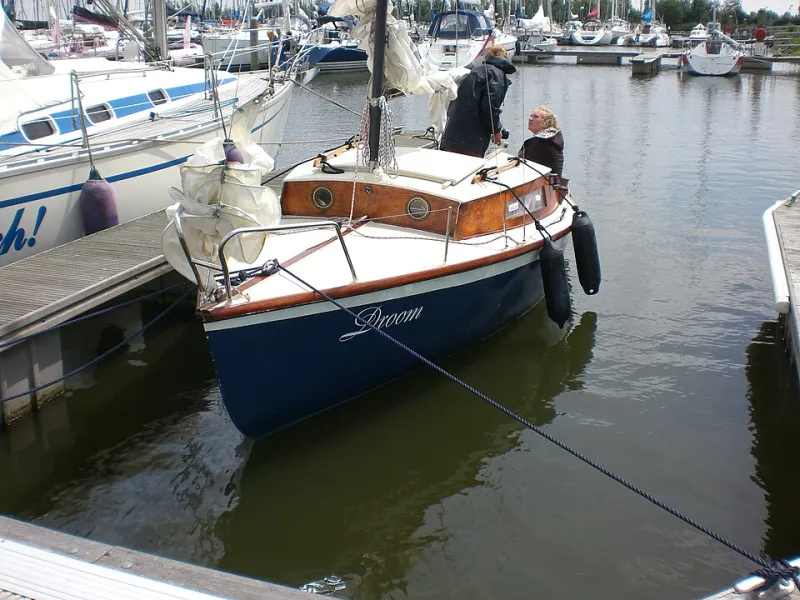
Begin with four wide shots — bow, stern, port side, starboard side — taken from the pontoon rather than from on board. These establish the boat’s overall look and, crucially, the date and time your phone records. They are also the shots you will compare against on hand-back, when the light is different and everyone’s memory has gone fuzzy.
Then get nosy. Photograph the gelcoat around the bow, the rubbing strake along the pontoon side, the outboard cowling or engine cover, the cockpit lockers, the pushpit and pulpit. Do not aim for beautiful. Aim for evidence that is easy to read: fill the frame, avoid harsh shadows, and take a second shot if the first is blurry. A close-up of a tiny gelcoat chip is worth more than a moody silhouette of the marina at dusk.
The stowage shots that prevent treasure hunts
Borrowed boats have a way of hiding things. The spare shackle is in the locker that nobody checked. The dinghy pump is under the chart table, or perhaps it was left in the car. Photograph the inside of each locker you open, ideally before you start moving gear around. A quick snap of the contents as handed over gives you a fighting chance of putting everything back in the same place.
Do the same for the chart table, the galley drawers and the safety locker. If the owner has a particular system — warps coiled a certain way, fenders stowed in pairs, the kettle wedged behind the sink — photograph it. It may look eccentric now, but it will look like considerate seamanship when you hand the boat back exactly as you found it.
Safety kit: expiry dates and awkward details
This is the part that matters most, and it is the part most people forget to record. Photograph lifejacket labels and expiry dates, the fire extinguisher gauge and service label, the flare pack, the first-aid kit, the torch and the danbuoy. If the boat has a gas locker, photograph the bottle and the isolator. If there is a liferaft, note its service date. You are not doing this to catch anyone out. You are doing it so that if a question arises later, you can both look at the same picture rather than guess.
While you are there, photograph the seacocks and their positions as handed over. A labelled shot of the engine intake, sink drain and heads inlet is far more useful than a mental note made while balancing on a locker lid. If the owner has a particular starting procedure, film a short video of them walking through it. Thirty seconds of someone pointing at a battery switch and saying “this one, not that one” is worth a page of notes.
Rigging, fuel and the small print
On a sailing boat, photograph the rigging tensioners, the furling drum, the reefing lines and the winch handles. On a motorboat, photograph the fuel line, the primer bulb, the kill cord and the battery isolator. Take a picture of the fuel gauge and the water tank gauge, even if they are unreliable. The point is not precision; it is a shared starting point.
Also photograph any paperwork the owner has left aboard — the harbour dues receipt, the mooring licence, the radio licence, the insurance details if they are happy for you to see them. If they are not, no matter. A note in your phone saying “documents in chart table wallet, seen and left untouched” is enough.
Make the album useful, not forensic
A handover album should be quick to make. Use your phone’s camera roll, create a shared album with the owner or the club, and add short captions as you go: “port bow, small chip already present”, “engine bay as handed over”, “safety locker contents”. Do not spend twenty minutes curating. The value is in the ordinary, not the artistic.
At hand-back, do the walkaround again in reverse. Photograph the same angles, note anything that changed, and add a line or two to the album. If something did happen — a scraped fender, a low fuel tank, a missing shackle — say so plainly and early. A photo album makes that conversation easier because it starts from shared facts rather than suspicion.
The real point
Borrowing a boat is a small act of community. Someone has handed you the keys to something they care about, and you are promising to bring it back in the same shape. The photo walk is not about covering your back. It is about being the kind of borrower who notices, records and returns things properly — the sort of person who gets asked again.
So before you cast off someone else’s lines, take a minute. Photograph the fenders. Snap the seacocks. Record the expiry date on the lifejacket. Leave the sunset for later. The album will not make you a better sailor, but it will make you a much easier one to lend a boat to.