Crossings With a Pint at the End: Five Foot-Passenger Ferries Worth the Fare
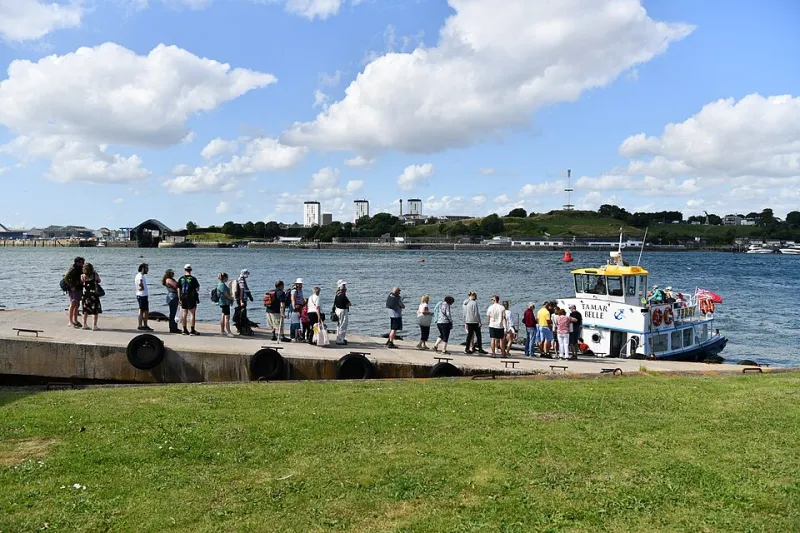
Photo: Michael Garlick , CC BY-SA 2.0, via Wikimedia Commons
The boat is laid up. The tarpaulin is doing its annual impression of a deflated bouncy castle. You have already reorganised the toolbox twice and watched the forecast with the grim attention of a man checking a hospital monitor. What you need is not a full day afloat. You need a crossing.
A short ferry hop is the coastal equivalent of a good espresso: brief, bracing and surprisingly restorative. No mooring fees, no engine checks, no weather window to negotiate. Just turn up, pay a fare that costs less than a round of drinks, and let someone else do the driving.
Here are five UK crossings that earn their keep, each with a walk, a waterside lunch and a bit of harbour watching built in.
1. Hythe to Southampton: the pier train and the pub
The Hythe Ferry is a proper little operation. It runs across Southampton Water from Hythe Pier to Town Quay, and it comes with a pier train — a tiny, slightly eccentric railway that shuttles you along the longest public pier in the UK. The crossing itself is short, but the theatre is excellent: container ships, tugs, the occasional cruise liner looming over the terminal like a block of flats with a funnel.
On the Hythe side, walk east along the shoreline towards the sailing club and the nature reserve paths. It is flat, breezy and full of the sort of estuary birds that make you wish you had brought binoculars. Lunch options are limited right at the pier, so either eat in Southampton or walk into Hythe proper for a pub. The ferry is a commuter service first and a pleasure trip second, which means timetables are sensible but not endless. Check the last return before you settle in for a second pint.
2. Gosport to Portsmouth: harbour traffic and a proper naval gaze
The Gosport Ferry is the workhorse of Portsmouth Harbour. It takes about five minutes to cross, foot passengers only, and runs frequently enough that you can treat it like a bus. The joy is the harbour itself: grey warships, dredgers, the Spinnaker Tower doing its best impression of a sail, and enough movement on the water to remind you why you like boats in the first place.
On the Gosport side, walk along the waterfront towards the Explosion Museum or simply follow the Millennium Promenade. On the Portsmouth side, the Historic Dockyard is right there. Lunch is easy — Portsmouth has more pubs per square metre than is strictly reasonable. The ferry is tide-independent and reliable in most weather, which makes it a good choice for a blustery November day when the sea state is doing its worst outside the harbour.
3. Liverpool to Seacombe: the Mersey, with a side of skyline
The Mersey Ferry is not just a commuter crossing; it is a piece of theatre. The Woodside and Seacombe services run from Liverpool's Pier Head, and the crossing gives you the full sweep of the waterfront — the Three Graces, the Liver Building, the cathedrals in the distance — from the water, which is the only sensible way to look at a city.
Hop off at Seacombe and walk along the promenade towards New Brighton if you have the legs for it. It is a proper estuary walk: wide skies, muddy edges, the occasional hardy kitesurfer. Lunch in New Brighton or back at the Pier Head. The commuter service runs year-round, but the famous river cruises can be seasonal, so check which boat you are boarding. A return fare is cheap enough that you can do the crossing twice just for the pleasure of it.
4. Falmouth to St Mawes: the classic Cornish hop
The St Mawes Ferry runs from Falmouth's Custom House Quay across the Carrick Roads to St Mawes, and it is one of the most pleasant short passages in the country. The harbour is full of yachts, the water is usually blue enough to be smug about, and St Mawes itself is a postcard of a village with a castle at one end.
Walk up to St Mawes Castle — it is a gentle climb and the views back across the water are worth the puffing. Lunch in the village, then take the ferry back. This is a seasonal service in the sense that it runs less often in winter, and it can be weather-dependent when the wind is up from the south. Check the timetable before you set out, and have a backup plan that involves a pasty. It is a foot-passenger service, so no car, no fuss.
5. Padstow to Rock: the Camel estuary shuffle
The Padstow to Rock ferry is a tiny crossing that feels like a secret handshake. It runs across the Camel estuary from Padstow harbour to Rock, and it is tide-dependent — at low water the route changes and the service can pause. That is part of the charm. You are on estuary time, not train time.
On the Rock side, walk up to Brea Hill for a view that makes the crossing feel like a proper expedition. Lunch in Rock or back in Padstow, where the fish-and-chip competition is fierce and worth researching. Harbour watching here is a gentle business: crabbers, paddleboarders, the occasional lifeboat exercise. Check tide times and the ferry's seasonal schedule before you go; in winter the service is reduced, and in poor weather it may not run at all.
Timetables, Tides and Off-Season Reality
None of these crossings requires a boat, but they all require a bit of homework. Winter timetables are thinner than summer ones. Some services stop earlier than you expect, and a few are tide-dependent or weather-dependent. The Mersey and Gosport ferries are the most robust year-round options; the Cornish and Padstow crossings need a proper look at the calendar and the tide table.
Take a waterproof. Take cash or a card that works on a pier. Take the sort of optimism that says a force five in the harbour is bracing rather than a reason to go home. And check the last return — there is nothing quite as deflating as watching your ferry disappear while you are still deciding between the mussels and the burger.
Why These Little Crossings Work
They work because they give you the ingredients of a day afloat without the admin. You get the sound of water under a hull, the smell of diesel and salt, the brief camaraderie of a passenger deck, and a destination that feels earned even if the passage lasted six minutes. When the boat is under wraps, that is enough. More than enough, in fact. It is a reminder that the coast is not only for boat owners. It is for anyone willing to pay a small fare and stand at the rail.