The Cautious First Start: Waking a Winterised Engine Without the Theatre
There is a particular silence on a boat that has been winterised. The cover is off, the marina feels busier, and the key is waiting. The temptation is to turn it, hear it catch, and get on with the season. That works often enough to be tempting, but the first start after a lay-up is really a series of small checks rather than one big moment. Treat it that way and the morning stays calm.
Start With the Boring Walk-Round
Before you touch the key, do a slow lap of the engine bay or outboard. Look for anything that changed while the boat was asleep: chafed hoses, a slack belt, corroded terminals, a strainer full of last autumn’s weed, or a telltale sign that a mouse has been using the soundproofing as a winter residence. Check the oil level, the coolant level if it is a closed system, and the gearbox oil where you can. Make sure the seacock for the raw-water intake is open. It sounds obvious; it is also the sort of thing that gets forgotten when the cover comes off in a hurry.
If the engine was winterised with the fuel system drained or treated, check what was actually done. A note in the logbook is worth more than a vague memory. If you are unsure, assume nothing and work through the basics. For an outboard, check the fuel line, primer bulb and kill cord before you go near the starter. For a small diesel, check that the decompression lever, if fitted, is where it should be.
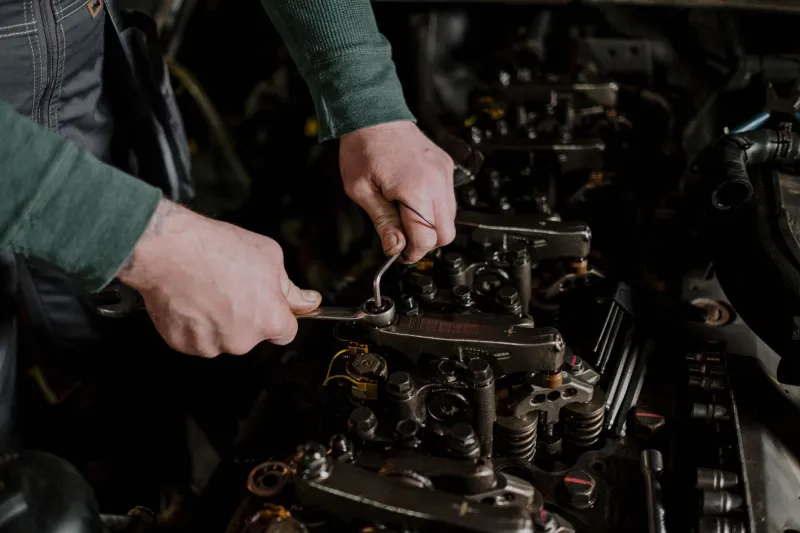
Leave the toolbox closed for now. The first start is not the moment to adjust injectors, fiddle with pump timing or tighten things that were fine last season. Most of the drama comes from doing too much, not too little.
Fuel: Clean, Dry and Not Too Clever
Diesel does not improve with age. If the tank was left part-full over the winter, condensation and the infamous diesel bug can make the first start reluctant. Look at the primary filter bowl if you have one. Water and black strands are not a good sign. Change the fuel filter if it is due, and know how to bleed the system afterwards. Many small marine diesels will self-bleed to a point, but plenty will not, and cranking a dry pump for minutes on end is a good way to flatten a battery and raise your heart rate.
For petrol outboards, the rule is simpler: fresh fuel, clean line, primed bulb. Old fuel in a small carburettor can leave you pulling the starter cord like a rowing machine. Drain or dilute it if the engine has been sitting, and check the fuel connector for cracks. Do not be tempted to use starting fluid as a shortcut. It is harsh on small engines and can turn a mild problem into an expensive one.
Cooling Comes Before Confidence
The raw-water impeller is the quiet hero of the first start. If it has been in the engine over winter, it may have taken a set or lost a vane. Replace it if you have any doubt, and check the pump housing for bits of old rubber. Clean the seawater strainer, open the seacock and make sure the hose is not kinked. On an outboard, know where the telltale should be and watch for it immediately after the engine catches.
Do not run the engine dry ‘just for a second’. Impellers dislike that second. If you are running on muffs or a flush bag, make sure water is actually reaching the pump. If the exhaust has no water after a short idle, stop. That is not a moment for optimism.
The Battery and the Reluctant Crank
A battery that started the engine happily in October may have sulked its way through the winter. Charge it properly and check the terminals. Clean, tight connections solve a surprising number of ‘dead’ engines. If the battery is old and has been left discharged, a load test will tell you more than a voltmeter. Jump-starting is possible, but do it carefully and keep the leads away from sensitive electronics. If the engine turns slowly and the battery is known-good, stop cranking and investigate the starter circuit or earth straps rather than burning the starter motor.
The First Start Is a Listening Exercise
Ventilate the engine bay, check that no one is standing near the prop, and make sure the gear is in neutral. Turn the key and let it idle. Listen for the exhaust note, watch for water, and look at the oil-pressure warning light. It should go out promptly. If it stays on, stop. If you hear knocking, smell burning, see fuel or coolant leaking, or watch the temperature climb, shut down and investigate.
Do not rev it to ‘clear its throat’. Idle is enough. Let it warm gently, then check the levels again once it has cooled. A short pontoon run under light load is a better shakedown than a dramatic blast out of the harbour.
What to Leave Alone
Injectors, fuel-pump timing, head bolts and electrical gremlins are not first-start jobs for most owners. Neither is leaning over a running engine with a spanner. If the engine does not start after sensible checks, resist the urge to keep cranking. Repeated failed starts can fill the exhaust with water or flatten the battery. Better to pause, work through fuel and air first, and call for help if you are out of your depth.
When to Call the Engineer
Call a marine engineer if you have no raw-water flow, a persistent oil-pressure warning, fuel leaking anywhere, a metallic knock, heavy smoke that does not clear, or a starter that will not turn despite a healthy battery. Call one also if the engine has been badly winterised, if water has been sitting in the bilge, or if you simply do not know what was done last autumn. That is not a failure of seamanship. It is the cheaper, calmer option.
The first start after a winter lay-up should be uneventful. Check the boring things, listen properly, and stop when something does not sound right. The season has plenty of time for adventure; the engine bay does not need to provide it on day one.